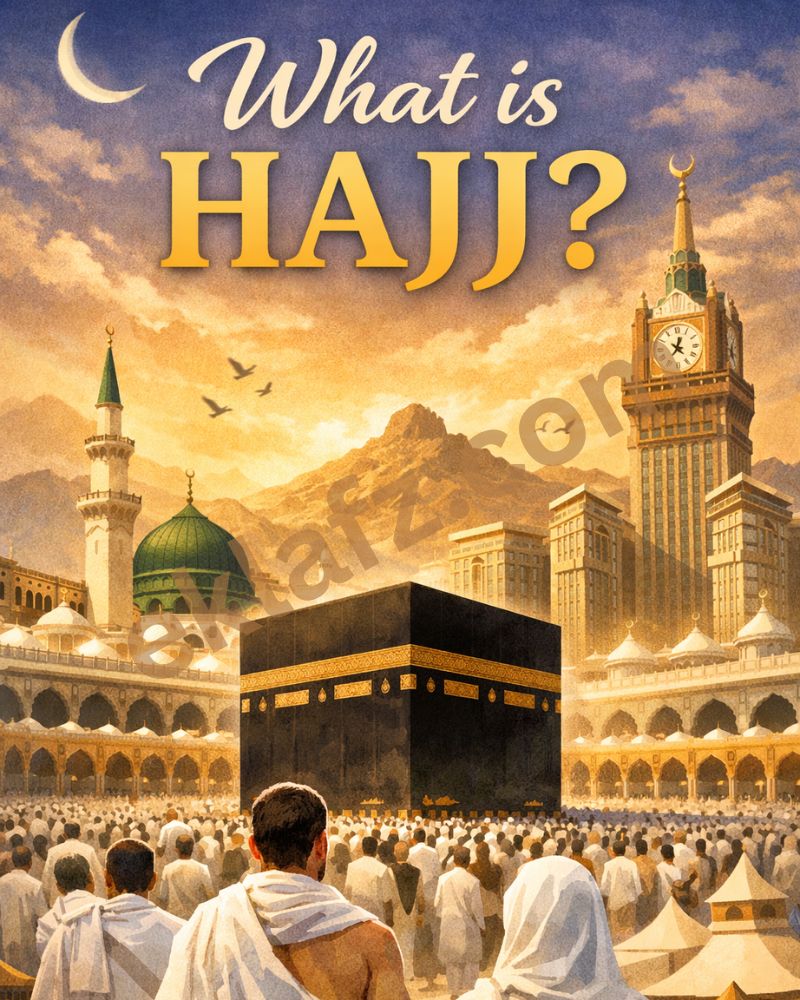
What is Hajj? – Meaning, Rituals, Steps & Importance
Hajj is the annual Islamic pilgrimage to Makkah (Mecca) in Saudi Arabia, and it is one of the five pillars of Islam. It is a religious duty that must be performed at least once in a lifetime by every Muslim who is physically, financially, and emotionally able to do so.
Unlike ordinary travel, Hajj is a deeply spiritual journey. It is not just about visiting a place, but about purification of the soul, seeking forgiveness, and strengthening one’s connection with Allah.
Millions of Muslims from all over the world gather in Makkah every year during the Islamic month of Dhul Hijjah to perform Hajj rituals in unity, equality, and devotion.
Meaning and Importance of Hajj in Islam
The word “Hajj” literally means “to intend a journey.” In Islamic teachings, it refers to the sacred pilgrimage to the Kaaba, the house of Allah, built by Prophet Ibrahim (Abraham) and his son Prophet Ismail (peace be upon them).
Hajj holds immense spiritual importance because it symbolizes complete submission to Allah. During Hajj, all pilgrims wear simple white garments (Ihram), removing differences of wealth, status, and nationality. Everyone stands equal before their Creator.
It is believed that a properly performed Hajj cleanses past sins, bringing a person back to a pure spiritual state.
When is Hajj Performed?
Hajj is performed once a year in the Islamic month of Dhul Hijjah, specifically between the 8th and 12th days of the month. These days are known as the core days of Hajj.
Unlike Umrah, which can be performed any time of the year, Hajj has fixed dates and is obligatory only once in a lifetime for eligible Muslims.
Step-by-Step Rituals of Hajj (Beginner Guide)
Hajj consists of several sacred rituals that are performed in a specific order. These include entering Ihram, Tawaf, Sa’i, standing at Arafat, and other important acts of worship.
Pilgrims first enter the state of Ihram, a spiritual condition marked by wearing simple white clothing and making the intention for Hajj. This symbolizes purity and equality before Allah.
Next comes Tawaf, where pilgrims walk around the Kaaba seven times in devotion. This act represents unity in worship of one God.
Then pilgrims perform Sa’i, walking between the hills of Safa and Marwah, remembering the struggle of Hajar (Hagar), the wife of Prophet Ibrahim, in search of water for her son.
One of the most important moments is standing at Arafat (Wuquf), where pilgrims spend the day in prayer, repentance, and reflection. This is considered the peak of Hajj.
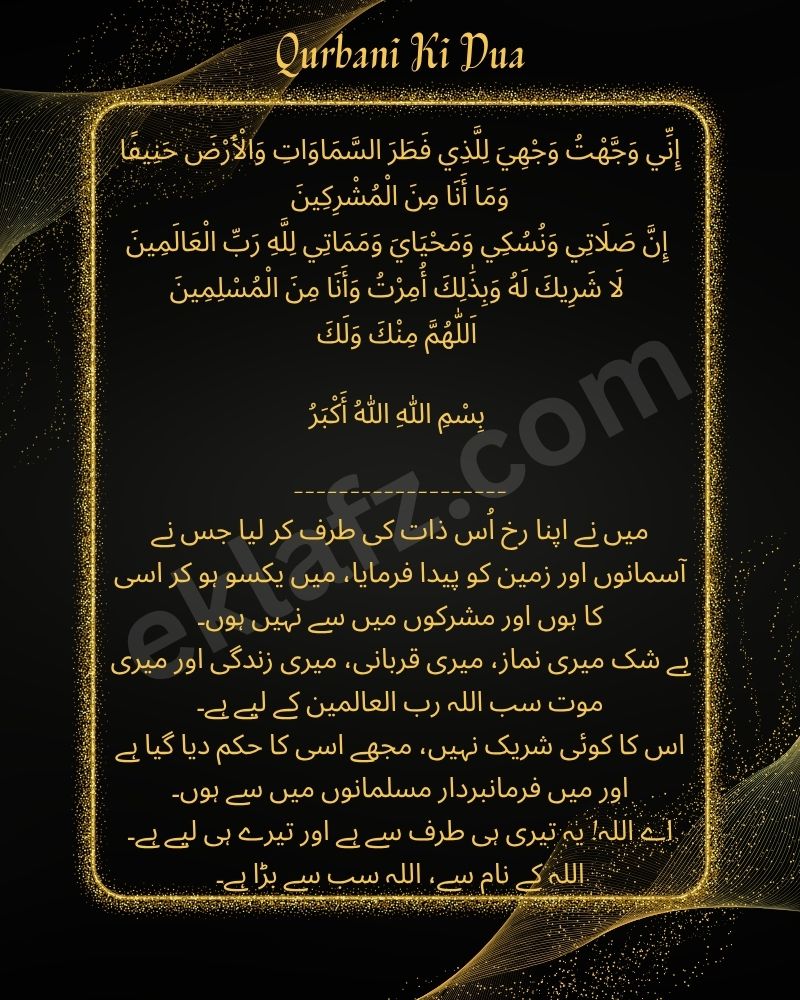
After this, pilgrims perform symbolic acts such as stoning the devil (Ramy al-Jamarat), animal sacrifice (Qurbani), and shaving or cutting hair to symbolize renewal.
The qurbani is performed all over the world and referred to as Eid Ul Adha
Each step carries deep spiritual meaning and teaches patience, sacrifice, humility, and devotion.
Spiritual Benefits of Hajj
Hajj is not only a physical journey but a life-changing spiritual experience. It teaches Muslims to let go of pride and ego, and to return to simplicity and gratitude.
It strengthens faith, encourages repentance, and builds a strong sense of unity among Muslims worldwide. People from different cultures, languages, and backgrounds stand together as one Ummah.
Many pilgrims describe Hajj as a moment of emotional transformation, where they feel closer to Allah than ever before.
Preparation Tips for First-Time Pilgrims
Preparing for Hajj requires both physical and mental readiness. Pilgrims should learn the rituals in advance so they can perform them correctly. Spiritual preparation, such as increasing prayers and seeking forgiveness, is equally important.
It is also necessary to prepare physically because Hajj involves long walks, crowded places, and intense weather conditions.
Financial planning and proper documentation are also essential parts of preparation.
Urdu Poetry (Spiritual Reflection on Hajj)
لبیک اللھم لبیک کی صدا جب اٹھتی ہے
دل کی ہر ایک خواہش رب کے آگے جھکتی ہے
سفید لباس میں چھپ جاتے ہیں رنگ و نسل کے فاصلے
ایک ہی رب کے در پہ سب کی دعائیں ملتی ہیں
اے ربِ کعبہ! ہمیں بھی بلا لے اس سفرِ عشق میں
جہاں آنکھیں آنسوؤں سے اور روحیں سکون پاتی ہیں
Conclusion
Hajj is one of the most profound acts of worship in Islam. It is a journey that changes a person’s heart, mind, and soul. From the moment a pilgrim enters Ihram to the final rituals in Makkah, every step is filled with meaning and devotion.
For beginners, understanding Hajj before performing it is essential, as it helps make the journey more meaningful and spiritually fulfilling.
If approached with sincerity and faith, Hajj becomes not just a trip, but a lifelong transformation.