
Watan Poetry in Urdu: Celebrating Patriotism
Urdu poetry has a long-standing tradition of capturing the soul of a nation, and among its most passionate branches is Watan Poetry in Urdu. These verses celebrate patriotism, courage, and devotion to the homeland.
From historic struggles for independence to modern reflections on national pride, watan poetry evokes deep emotions. It inspires unity, gratitude, and a sense of belonging among readers, making it one of the most revered genres in Urdu literature.
What Is Watan Poetry in Urdu?
Watan Poetry in Urdu refers to poetic works that honor the nation, its heroes, culture, and struggles. Key elements include:
Love and respect for the homeland (watan)
Historical references to wars, independence movements, and sacrifices
Pride in national identity and achievements
Encouragement of unity, resilience, and patriotism
These poems often motivate citizens to reflect on their role in the nation’s progress and legacy.
Historical Significance of Watan Poetry
During the independence movement, Urdu poets used their verses to:
Ignite nationalist feelings
Celebrate bravery and sacrifice
Strengthen the collective spirit of the people
Legendary poets like Allama Iqbal, Faiz Ahmed Faiz, and Habib Jalib wrote poignant lines that captured the struggles of their times while inspiring hope for a brighter future.
Core Themes in Watan Poetry
1. Patriotism (وطن پرستی)
Expresses unwavering love and loyalty toward one’s country.
2. Sacrifice & Courage (قربانی و حوصلہ)
Honors the sacrifices of soldiers and freedom fighters.
3. National Pride (فخر وطن)
Celebrates culture, heritage, and accomplishments of the homeland.
4. Unity & Harmony (اتحاد و ہم آہنگی)
Encourages citizens to stand together in times of challenge.
5. Hope & Progress (امید و ترقی)
Focuses on national development, prosperity, and a bright future.
Famous Examples of Watan Poetry in Urdu
Here are a few iconic lines that exemplify watan poetry:
“یہ وطن ہے تیرا، تجھ پہ ہے یہ فخر ہمارا
ساتھ تیرے ہیں ہم، تجھ کو ہے یہ پیار ہمارا”
Translation:
“This homeland is yours, our pride belongs to you
With you we stand, our love forever true.”
Another evocative example:
“سرحد کی ریت، پہاڑوں کی ہوا
ہر کونا کہتا ہے، یہ وطن ہمارا”
Translation:
“The sand of borders, the mountain air
Every corner whispers — this homeland we share.”
These lines reflect love, dedication, and emotional attachment to one’s country.
Why Watan Poetry Remains Relevant Today
Even in modern times, Watan Poetry continues to inspire:
Youth Engagement: Inspires young generations to love and respect their country.
Cultural Awareness: Highlights national history, heroes, and traditions.
Unity & Patriotism: Brings communities together during national events.
Emotional Connection: Evokes pride, respect, and loyalty among citizens.
Tips for Writing Your Own Watan Poetry in Urdu
If you want to create your own watan-inspired poetry, consider:
1. Connect With Emotions
Think about what your homeland means to you.
2. Use Strong Imagery
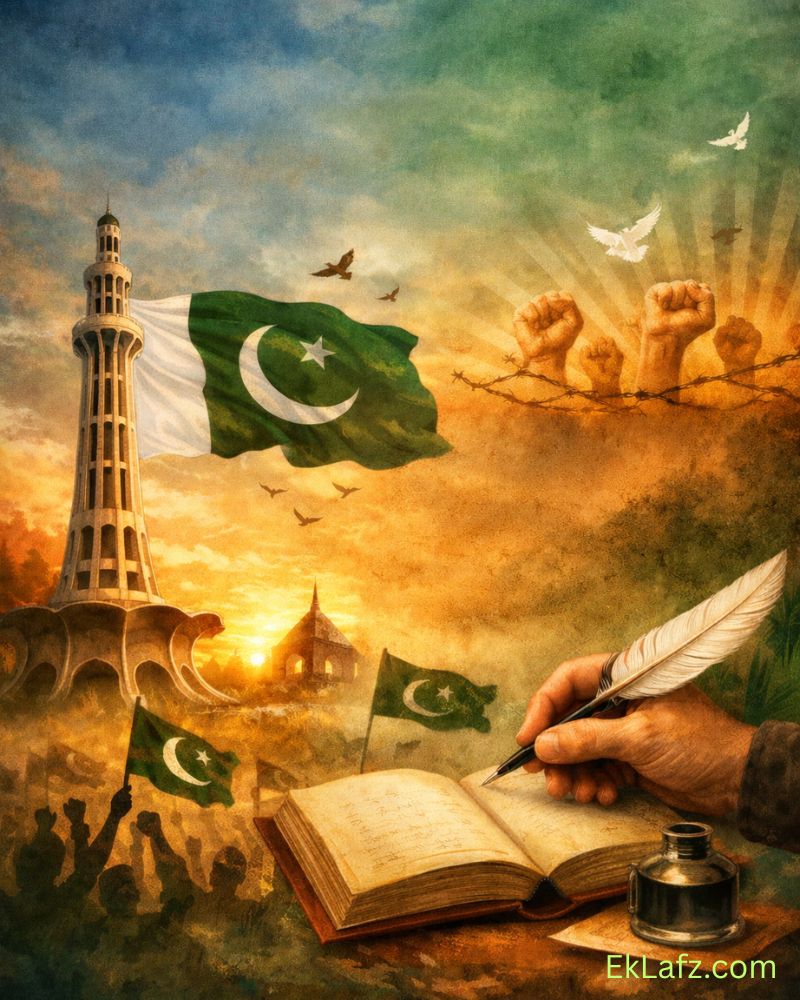
Incorporate landscapes, monuments, flags, and historic events.
3. Honor Heroes & Sacrifice
Include references to freedom fighters, soldiers, or national leaders.
4. Express Pride and Unity
Celebrate collective achievements and the cultural heritage of your nation.
5. Keep It Rhythmic and Memorable
Urdu poetry’s power lies in its musicality and flow. Use rhyme, meter, and repetition effectively.
Azadi Poetry in Urdu: A Beautiful Expression of Freedom, Patriotism, and Emotion
Celebrating Watan Poetry: Events & Traditions
Urdu watan poetry is often highlighted during:
Independence Day & National Day celebrations
Literary gatherings and mushairas (poetry recitals)
Schools and colleges during patriotic events
Social media tributes and online communities
These platforms help keep the tradition alive, engaging both writers and readers with the spirit of patriotism.
Conclusion
Watan Poetry in Urdu is a powerful expression of patriotism, love, and devotion to one’s homeland. It honors history, celebrates culture, and inspires citizens to cherish and protect their nation. Whether read, recited, or written, these verses continue to awaken pride, unity, and passion in the hearts of Urdu speakers worldwide.