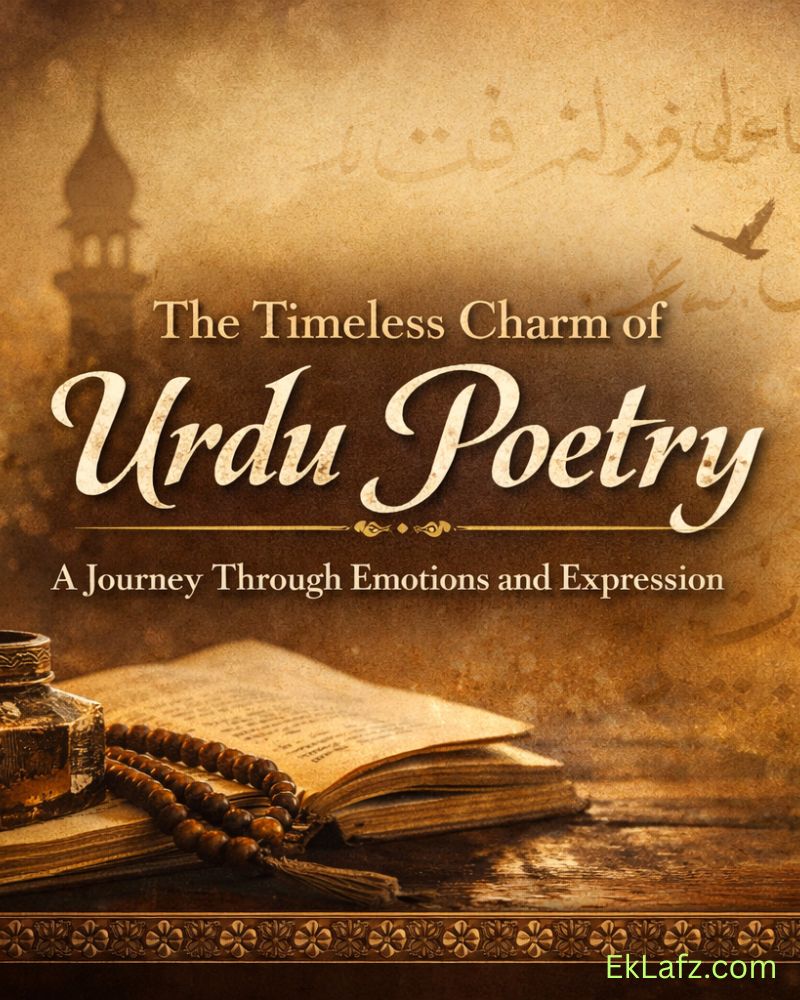
The Timeless Charm of Best Urdu Poetry
Urdu poetry is not just a form of art, it’s an embodiment of deep emotions, culture, and language. Known for its elegance and emotional depth, it has captivated hearts across the globe. This article will take you on a journey through the world of best Urdu poetry, uncovering the layers of its beauty and the impact it has had on poetry lovers, from the passionate verses of romantic poets to the profound messages of spiritual poets.
What Makes Urdu Poetry Unique?
Urdu poetry stands out for its rhyme, meter, and lyrical qualities. The richness of vocabulary, combined with emotional resonance, makes it different from other poetic traditions. What’s even more captivating is the ability of Urdu poets to communicate a wide range of human emotions—from love and sorrow to patriotism and spirituality—within a few lines.
Rhyme and Rhythm: The unique rhyme scheme used in Urdu poetry makes each line resonate with melodious beauty, captivating the reader’s or listener’s attention instantly.
Metaphor and Symbolism: Urdu poets are masters of metaphors, often using symbols to express complex ideas and emotions. Love, pain, longing, and separation are often symbolized through nature, the moon, the stars, or even rain.
Simplicity with Depth: While the language may appear simple on the surface, the meaning often has layers that take time to peel away, making it a meditative experience for the reader.
Famous Poets Who Shaped Urdu Poetry
Urdu poetry has a rich history of remarkable poets whose works have transcended time. Some of the legends include:
Mirza Ghalib: Known for his ghazals, Ghalib’s verses dive into the complexities of life, love, and human existence.
Allama Iqbal: Revered for his philosophical outlook, Iqbal’s poetry touches on themes of awakening, nationalism, and spiritual rejuvenation.
Faiz Ahmed Faiz: Faiz’s poetry was both political and romantic, weaving together love with resistance against injustice.
These poets laid the foundation of Urdu poetry as we know it today, and their influence continues to inspire new generations of writers and readers.
Types of Poetry: Ghazals, Nazms, and More
One of the reasons Urdu poetry appeals to so many is the diversity in its forms. There are various types of poetry, each offering something unique.
Ghazal: A ghazal typically focuses on themes of love, loss, and longing. The beauty of the ghazal lies in its ability to convey profound emotions with brief, impactful lines.
Nazm: While ghazals are often more personal, nazms tend to be more narrative and cover a wider range of subjects, from nature to society.
Rubaiyat: The Rubaiyat is a form of quatrain that conveys powerful emotions and wisdom in four-line stanzas, often in a philosophical tone.
Each form of poetry offers a new perspective and adds to the charm of Urdu literature.
The Influence on Modern Society
While the beauty of best Urdu poetry remains timeless, its relevance today is just as powerful. In the modern era, Urdu poetry has taken on new forms, from being recited at weddings to being shared on social media platforms. Poets continue to create contemporary ghazals and nazms that speak to modern issues—social justice, love, and personal struggles.
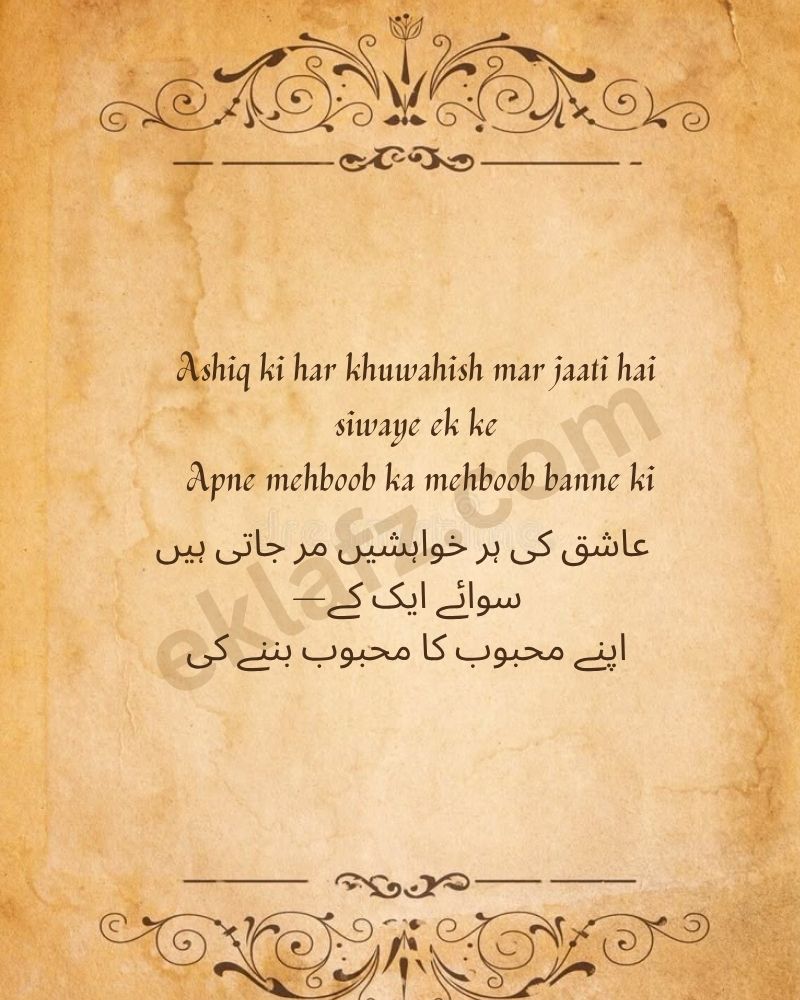
Social Media Impact: Platforms like Instagram and Twitter have given a new life to Urdu poetry. Short verses, often accompanied by visuals, spread like wildfire and continue to inspire people, especially the youth.
Popular Culture: Urdu poetry also plays a role in Bollywood and Lollywood films, where songs or dialogues are often inspired by famous verses.
This blend of tradition and modernity ensures that the charm of Urdu poetry never fades, rather it adapts to every new era.
How to Dive Deeper into Urdu Poetry?
For those who wish to explore in greater detail, here are a few ways to start:
Read with Translation: For beginners, reading Urdu poetry with English or native translations can help understand the essence of the verses.
Attend Mushairas: Mushairas are a great way to experience the oral tradition of Urdu poetry. Many poets still perform their ghazals and nazms live, making the experience even more impactful.
Learn from the Masters: Study the works of Ghalib, Iqbal, Faiz, and other poets. Understanding their styles and themes will provide deeper insights into the art.
Conclusion
Best Urdu poetry, with its rich history and timeless beauty, continues to touch the hearts of millions. From its profound expression of love and loss to its reflections on society, Urdu poetry offers an unparalleled experience for the soul. Whether you’re a lover of classical poetry or a seeker of modern verses, the world of Urdu poetry has something for everyone.