The Significance of the First Ashra in Pakistan: A Time for Reflection and Devotion
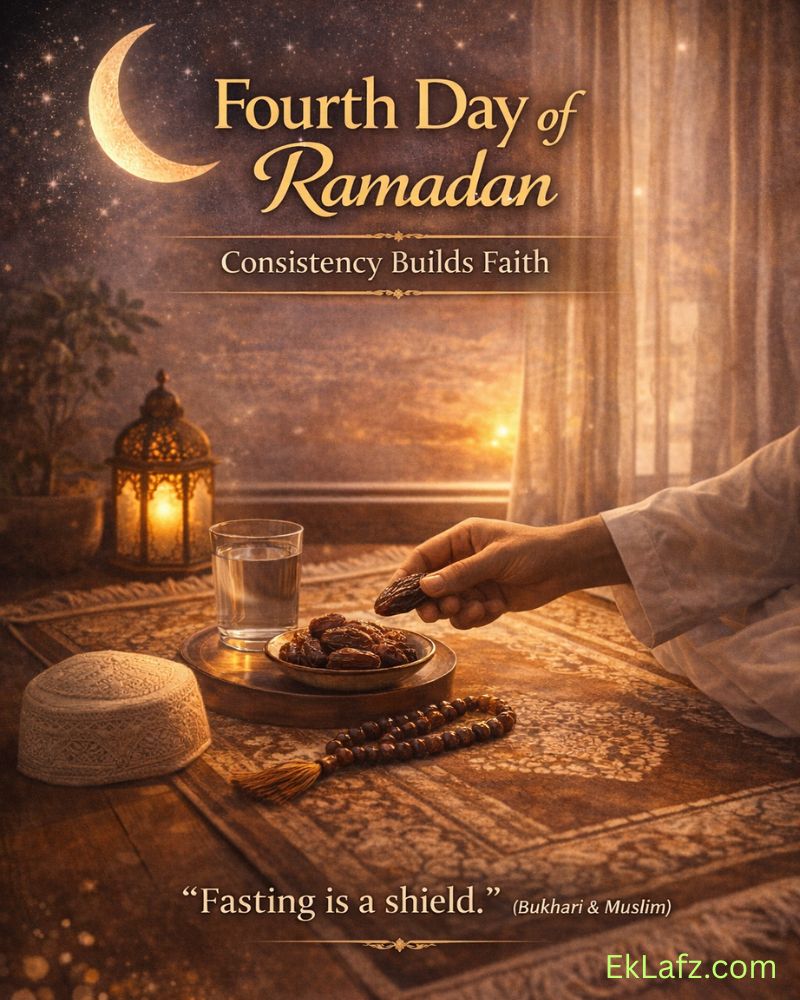
Ramadan is a month of deep spiritual reflection, prayer, fasting, and acts of charity for Muslims around the world. In Pakistan, this sacred month is observed with great enthusiasm, and the first ten days, known as the First Ashra, are particularly significant. The word “Ashra” refers to a period of ten days, and Ramadan is divided into three Ashras (sets of ten days), each with its own unique focus and significance.
The First Ashra in Ramadan is often seen as a time to purify the soul, set spiritual intentions, and embrace self-discipline. It’s a period where Muslims focus on strengthening their relationship with Allah, engaging in prayers, and seeking forgiveness for past sins. In this blog, we will delve into the importance of the First Ashra in Pakistan, its cultural and spiritual relevance, and how it is observed in various parts of the country.
1. Spiritual Significance of the First Ashra
The First Ashra is a time dedicated to seeking forgiveness and mercy from Allah. According to Islamic teachings, the first ten days of Ramadan are seen as a period of mercy and blessings. During this time, Muslims believe that Allah is especially merciful, and those who seek His forgiveness are granted it.
In Pakistan, this period is marked by intense devotion and prayer. Muslims engage in extra prayers, particularly Taraweeh (the special night prayers offered during Ramadan), and recite the Quran more frequently. The First Ashra is not only about fasting from food and drink but also involves fasting from negative thoughts, behaviors, and actions. It’s a time to cleanse the heart, mind, and soul.
A common practice is to say the following prayer during the First Ashra:
“اللهم اجعلنا من المغفور لهم في هذا الشهر الكريم”
(O Allah, make us among those who are forgiven in this blessed month.)
This prayer is often recited after the daily prayers, asking Allah for mercy and forgiveness.
2. Cultural Practices During the First Ashra
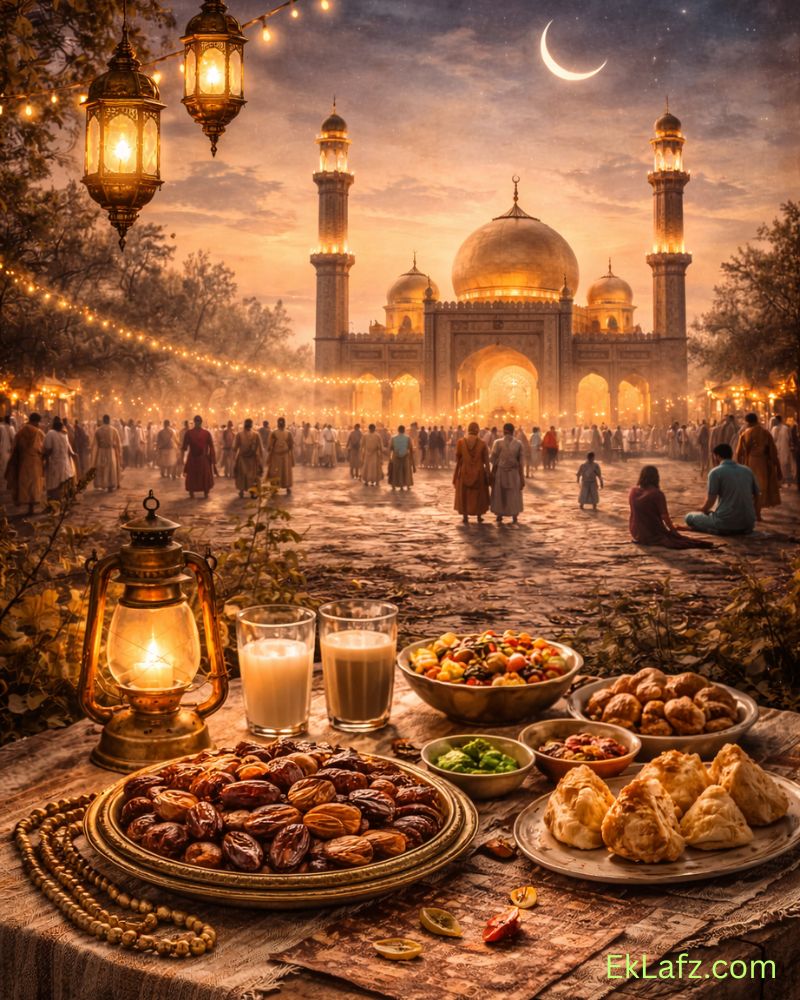
In Pakistan, the First Ashra is marked by unique cultural practices and communal activities. One of the most notable customs is the preparation of special foods for Iftar (the meal to break the fast) and Suhoor (the pre-dawn meal). Cities and towns across Pakistan come alive with the aroma of freshly cooked food during Iftar. The meal is usually enjoyed with family and friends, and many mosques and community centers host Iftar events for the less fortunate.
Another important cultural aspect of the First Ashra in Pakistan is the increased attendance at mosques. Throughout the month of Ramadan, mosques are filled with worshippers who come together for prayers and reflection. However, during the First Ashra, the mosques are particularly packed, with people seeking to purify themselves through prayer and community.
Charity also plays a significant role during the First Ashra. Muslims in Pakistan are encouraged to give Zakat (charitable donations) to help those in need. Many individuals and organizations organize charity drives during this period, distributing food, clothes, and essential supplies to those who are less fortunate.
3. The Role of Family and Community in Observing the First Ashra
Ramadan is a family-oriented month in Pakistan, and the First Ashra is a time when families come together to reflect and practice their faith. Suhoor and Iftar are shared meals where family members bond over food and prayer. It is common for families to invite relatives, neighbors, and even strangers to join in the breaking of the fast, promoting a sense of community and togetherness.
In the First Ashra, people often engage in group prayers and gatherings at mosques, where they offer Taraweeh prayers together. This collective experience strengthens the sense of unity within the Muslim community. It is not uncommon for people to visit relatives and elders during this period, exchanging blessings and reinforcing family ties.
In some regions of Pakistan, the First Ashra also includes the practice of distributing dates and sweets as gifts to neighbors and friends, a gesture that symbolizes goodwill and kindness. This tradition emphasizes the importance of maintaining strong social bonds and sharing the blessings of Ramadan.
https://eklafz.com/first-10-days-of-ramadan-dua/
4. Personal Reflection and Self-Discipline During the First Ashra
For many Muslims, the First Ashra of Ramadan serves as a time of personal reflection. It is a chance to take stock of one’s life, examine personal habits, and set spiritual goals for the remainder of the month. The act of fasting is not only a physical challenge but also a mental and emotional one. During this time, individuals in Pakistan focus on self-discipline, controlling their desires, and resisting temptation.
The First Ashra is also a time to reflect on one’s relationship with Allah. Many people use this period to seek forgiveness for past wrongs and to make a firm intention to improve their actions and behaviors in the future. This process of introspection is an important aspect of spiritual growth, and it sets the tone for the rest of Ramadan.
During this time, Muslims in Pakistan are encouraged to avoid gossip, bad language, and any other negative behavior that can tarnish their spiritual purity. It is also a time to avoid overindulgence in food and drink, focusing instead on simplicity and humility.
5. The Role of the Quran During the First Ashra
The Quran holds a central place in Ramadan. Moreover, the First Ashra is an ideal time to strengthen one’s connection to the holy book. During this period, many Muslims in Pakistan make an effort to complete the recitation of the Quran or read it more regularly. Some even memorize specific verses or chapters as part of their spiritual practice.
In addition to individual recitation, there are Quranic study sessions held at mosques and community centers across Pakistan. These sessions focus on reflecting on the meanings of the verses. Also, discussing the teachings of the Quran, and learning how to implement them in daily life.
The First Ashra is often seen as an opportunity to establish a deeper relationship with the Quran, and many people strive to read and understand its teachings during this time.
Conclusion
The First Ashra in Pakistan is a spiritually enriching time that marks the beginning of Ramadan. It is a period of mercy, forgiveness, and self-purification, where Muslims come together in prayer, reflection, and devotion. The cultural practices, communal activities, and personal reflections during this period. And they all contribute to making the First Ashra a time of immense significance.
As Pakistanis observe the First Ashra, they are reminded of the deeper meanings of Ramadan. The importance of mercy, self-discipline, community, and charity. It is a time to reconnect with one’s faith, seek forgiveness, and strengthen the bonds that unite Muslims around the world.
Related Practices During the First Ashra:
Increased charity and zakat distribution.
Preparation of traditional foods for Suhoor and Iftar.
Community prayers and Taraweeh sessions.
Special Quranic study circles and spiritual gatherings.
These practices help foster a sense of community and spirituality. Overall, making the First Ashra an unforgettable and sacred time in the lives of Muslims in Pakistan.