Azadi Poetry in Urdu: A Beautiful Expression of Freedom, Patriotism, and Emotion
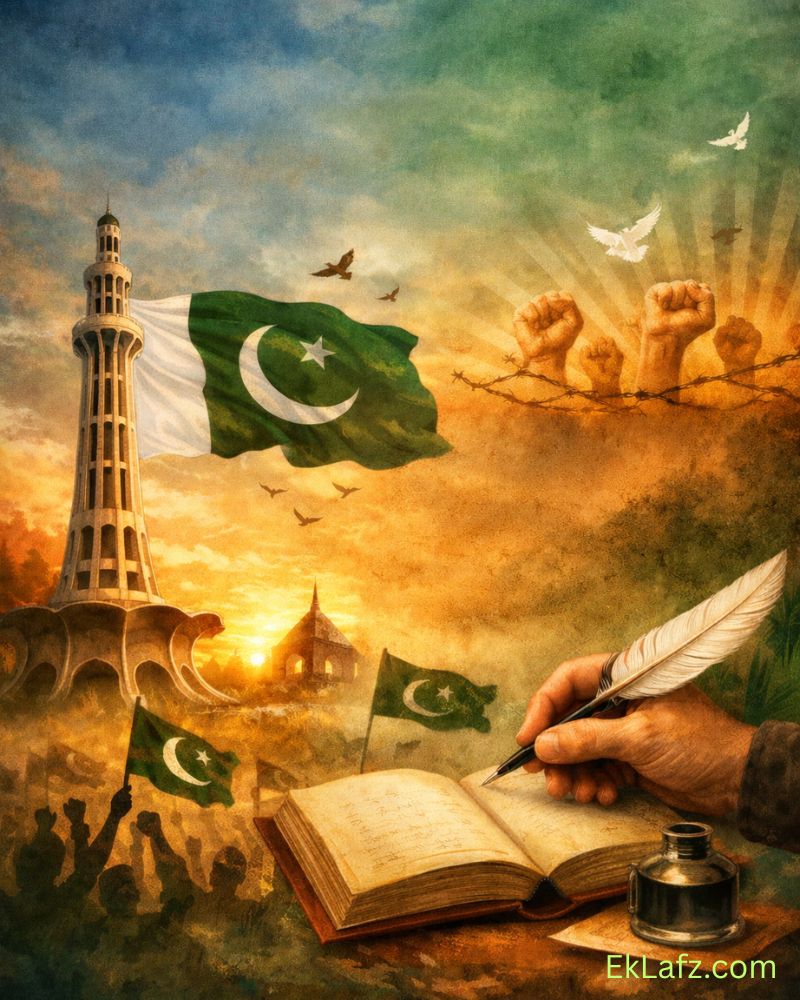
Urdu literature has a long tradition of powerful and evocative poetry. Among its most cherished branches is Azadi Poetry in Urdu — expressions of freedom, patriotism, resistance, and love for the homeland. From the struggle against colonial rule to modern celebrations of independence, azadi poetry inspires readers with courage, hope and cultural pride.
In this blog, we’ll explore the history, significance, themes, and examples of Urdu poetry that celebrate freedom and courage.
What Is Azadi Poetry in Urdu?
Azadi Poetry in Urdu refers to poems written to express emotions related to freedom (آزادی), patriotism (وطن پرستی), sacrifice (قربانی), and identity (شناخت). These poems often celebrate national heroes, reflect on struggles for independence, and remind us of the emotional cost of freedom.
This genre combines artistry with a powerful message, making it one of the most important pillars of Urdu literary culture.
Historical Roots: From Colonial Struggle to Independence
Urdu poetry played a vital role during the independence movement of the Indian subcontinent. Poets used their verses to:
Inspire courage among the masses
Raise political awareness
Encourage resistance against oppression
Legends like Allama Muhammad Iqbal, Faiz Ahmed Faiz, and Habib Jalib wrote powerful lines that still resonate today. Their words fueled collective consciousness and played a part in uniting hearts for azadi (freedom).
Ustad Poetry in Urdu – Timeless Shayari About Teachers and Mentorship
Core Themes in Azadi Poetry
Here are the key themes commonly found in Urdu azadi poetry:
1. Patriotism (وطن پرستی)
Expresses deep love and loyalty toward the homeland.
2. Sacrifice (قربانی)
Honors those who gave their lives for freedom.
3. Resistance & Struggle (مزاحمت و جدوجہد)
Reflects courage and defiance against tyranny.
4. Identity & Pride (شناخت و فخر)
Celebrates cultural heritage and collective identity.
5. Hope & Future (امید و مستقبل)
Looks forward to brighter days and prosperity.
Famous Examples of Azadi Poetry in Urdu
Here are a few classic lines that show the spirit of Urdu azadi poetry:
شمع ہو ہر دل میں روشن
راستے میں جو خاک ہو، وہ کم
ذوقِ آزادي کا سرور
ہے زندہ، بے بہا، بے دم
These verses capture the fire of freedom and the spirit of unwavering courage.
Another beautiful example:
ہم نے چھینی ہے جب قلم کی نوک
تو قلم کے سروں نے تجھ کو سجا لیا
تاریخ نے پھر اپنا رخ بدلا
جب لفظ نے سر پھیرا، آزادي بن گئی راہ
This reflects the power of words and poetry itself in the journey toward freedom.
Why Azadi Poetry in Urdu Still Matters Today
Even in modern times, azadi poetry remains significant:
• Inspires Youth:
Young generations find courage and identity in these lines.
• Cultural Preservation:
It preserves historical memory and emotional heritage.
• Motivates Unity:
It brings people together during national events and celebrations.
• Emotional Resonance:
The verses touch hearts, transcending time and place.
How to Write Your Own Azadi Poetry in Urdu
Want to compose your own patriotic poem? Try these tips:
1. Start with Strong Emotions
Think about what freedom means to you.
2. Use Vivid Imagery
Describe scenes — flags, fields, faces, or historical battles.
3. Choose Simple Yet Powerful Words
Urdu’s beauty lies in expressive yet simple vocabulary.
4. Add Rhythm and Rhyme
Try using traditional meters (بحر) for more impact.
5. Read Out Loud
Feel the flow and intensity of your verses.
Celebrating Azadi with Poetry: Festivals & Events
Across Pakistan and other Urdu‑speaking regions, poets recite azadi poetry at:
Independence Day events (14 August)
Poetry Festivals
School & College Activities
Social Media Tributes
Literary Gatherings (مشاعرہ)
These platforms keep the tradition alive and help engage new generations with patriotic literature.
Conclusion
Azadi Poetry in Urdu is more than literature — it is emotion, history, and cultural pride woven into verses. It connects us to our past, ignites our present, and inspires our future. Whether through classics or your own penned thoughts, azadi poetry continues to keep the spirit of freedom alive.